Who Is Liable in an Underride Truck Accident in Ohio?
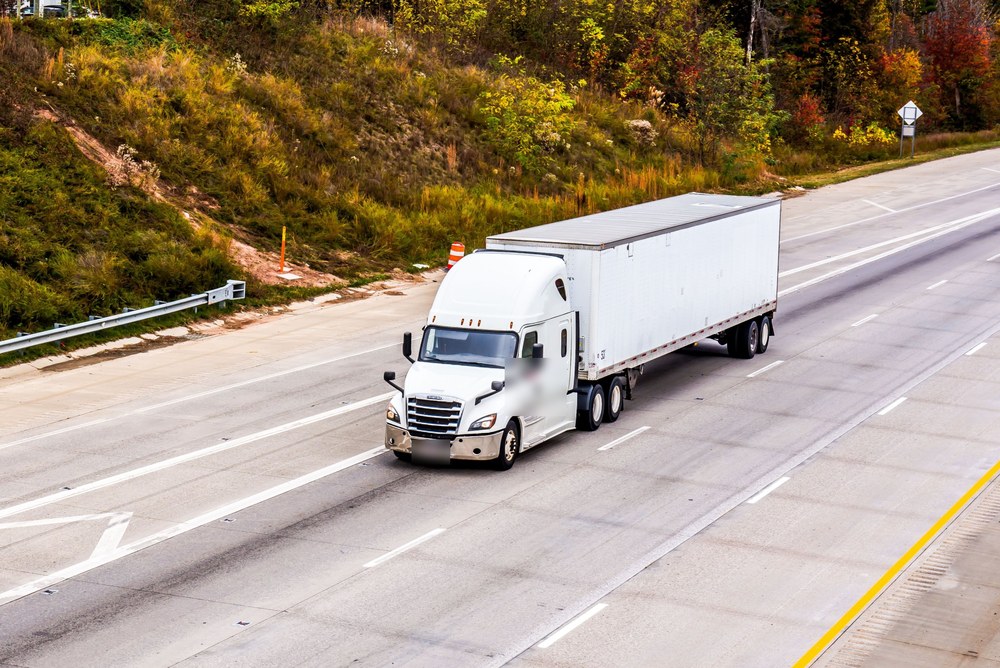
Liability in an Ohio underride crash usually reaches further than the truck driver. The motor carrier, the company that owned or leased the trailer, the shop that serviced it, the business that loaded the freight, and sometimes the maker of the rear impact guard can each carry part of the responsibility. Ohio law lets a jury assign a percentage of fault to every party involved.
That matters because the damages in these crashes often exceed a single insurance policy, and the parties with the most coverage are rarely the person behind the wheel.
What Makes an Underride Crash Different From Other Truck Wrecks?
An underride crash happens when a passenger vehicle slides beneath the body of a tractor-trailer instead of striking it bumper to bumper. The trailer deck sits above the hood of a car, so the impact lands on the windshield and roof pillars. The crumple zones and airbags that protect people in ordinary collisions never get the chance to work.
Rear underride typically involves a trailer that is stopped, slowing, or merging, often at night or in rain. Side underride happens when a truck turns across a lane or backs across a road and an approaching car reaches the trailer before anyone can react.
The injuries rarely match the speed of the crash. Survivors are frequently treated for traumatic brain injuries, cervical spine damage, and facial trauma after impacts that would have been survivable with minor injuries in any other configuration.
Who Can Be Held Liable After an Underride Crash?
More than one company is usually in the chain. The parties worth examining in an Ohio case include:
- The truck driver. Following too closely, stopping on a shoulder without placing warning devices, turning across traffic, or operating a trailer with damaged reflective tape can each support a negligence claim.
- The motor carrier. An employer answers for the negligence of a driver acting within the scope of employment, and it can also be liable for its own hiring, training, supervision, scheduling, and maintenance decisions. Federal leasing rules in 49 CFR Part 376 can keep a carrier responsible for equipment leased from an owner-operator.
- The trailer owner or lessor. Trailers are often owned by a different company than the tractor pulling them, and that company may be responsible for the condition of the guard.
- The maintenance provider. Federal rules require parts and accessories to stay in safe operating condition, and since December 2021 rear impact guards must be examined during a commercial vehicle’s annual inspection.
- The shipper or loading company. Overloaded or poorly secured freight affects stopping distance and stability.
- The trailer or guard manufacturer. When a guard tears away or folds in a low-speed impact, a product liability claim under Ohio Revised Code 2307.71 through 2307.80 may apply.
Sorting out who controlled the equipment takes records the public cannot request on its own, which is one reason claims against a trucking company work differently from ordinary car accident claims.
What Do Federal Rules Require for Underride Guards?
49 CFR 393.86 requires most trailers and semitrailers with a gross vehicle weight rating of 10,000 pounds or more, manufactured on or after January 26, 1998, to be equipped with a rear impact guard that met Federal Motor Vehicle Safety Standards 223 and 224 as those standards existed when the vehicle was built.
NHTSA strengthened those standards in a final rule published July 15, 2022. The rule became effective January 11, 2023, and applies to trailers manufactured on or after July 15, 2024. Guards built to the current standard must limit passenger compartment intrusion in a crash at roughly 35 mph.
No federal standard requires side underride guards. NHTSA published an advance notice of proposed rulemaking on the question in 2023, and a bill introduced in Congress in February 2026 would direct the agency to complete that rulemaking. The absence of a side guard rule does not end a claim, because a driver or carrier can still be negligent in how a trailer was turned, parked, lit, or marked.
How Does Ohio Divide Fault Between Several Parties?
Ohio follows modified comparative fault. Under Ohio Revised Code 2315.33, your damages are reduced by your percentage of fault, and you lose the right to recover only if your share is greater than the combined fault of everyone else.
If a jury values a case at $400,000 and assigns the injured driver 15 percent of the fault, the award becomes $340,000. Defense teams in underride cases lean hard on this rule, arguing speed, headlight use, or phone use. Crash reconstruction and vehicle data are what answer those arguments.
Why Does the Evidence Disappear So Quickly?
Many carriers send an investigator to the scene within hours. Electronic control module data, dashcam video, electronic logging device records, maintenance and inspection files, and the damaged guard itself can all be repaired, overwritten, or returned to service while an injured person is still in the hospital.
A written preservation demand sent early is what keeps that material available. That is why a prompt investigation after a truck crash often decides what a claim is worth months later.
What Happens When an Underride Crash Is Fatal?
Rear and side underride crashes are among the most lethal highway collisions. A wrongful death claim is brought by the personal representative of the estate under Ohio Revised Code 2125.02 and must be filed within two years of the date of death. A separate survival claim covers what the person suffered before death, and it follows the two-year injury deadline in Ohio Revised Code 2305.10.
Coverage is often layered. For-hire carriers hauling non-hazardous property across state lines must carry at least $750,000 in liability coverage under 49 CFR 387.9, and $5 million for certain hazardous loads. Excess policies, broker policies, and trailer owner policies can sit above that, which affects both strategy and the realistic value of what a truck accident lawsuit can recover.
Common Questions About Ohio Underride Claims
Is the trucking company liable if the driver was an owner-operator?
Often yes. Federal leasing regulations and the carrier’s own control over the trip can place responsibility on the carrier even when the driver is not a traditional employee.
Does a compliant underride guard end the case?
No. A guard can meet the standard that applied when the trailer was built and still fail, and the crash may have been caused by the driver’s conduct rather than the equipment.
How long do I have to file in Ohio?
Generally two years from the date of injury, or two years from the date of death in a wrongful death case. Product liability claims carry additional timing rules.
What if my loved one was partly at fault?
Recovery is still possible as long as their share of fault was not greater than the combined fault of the other parties. The award is reduced by their percentage.
Talk Through an Underride Case With The Jones Firm
Underride claims rise or fall on records held by the trucking company and on evidence that has a short shelf life. The sooner someone asks for it in writing, the more of it survives.
If you or a family member was hurt in a crash involving a tractor-trailer, a Columbus truck accident attorney at The Jones Firm can review what happened, identify every company in the chain, and explain your options. Contact The Jones Firm for a free consultation.
Author Bio

Geoff Jones is the CEO and Managing Partner of The Jones Firm, a personal injury law firm in Columbus, Ohio. With years of experience in personal injury law, he has zealously represented clients in a wide range of legal matters, including car accidents, medical malpractice, slip and falls, wrongful death, and other cases.
Geoff received his Juris Doctor from the Ohio State University Moritz College of Law and is a member of the Columbus Bar Association. He has received numerous accolades for his work, including being selected to Super Lawyers Rising Stars for 2022-2023.