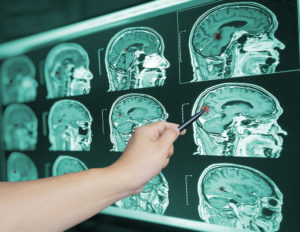
Traumatic brain injuries are generally caused by a blow or jolt to the body or head, and they are both exceptionally dangerous and extremely unpredictable. If someone else’s negligence causes you to exhibit any concerning signs or symptoms of a TBI, it’s time to seek medical attention and professional legal counsel.
Traumatic brain injuries (TBIs), because they affect the brain, are extremely dangerous – and extremely unpredictable. TBIs are generally caused by a blow to the head or body or by the jolting of the head on the neck, and they are closely associated with traffic accidents of every kind, falls caused by poorly maintained commercial properties, accidents on the job, and more. If someone else’s negligence causes you to sustain a TBI, it’s time to consult with an experienced Columbus brain injury attorney.
Traumatic brain injuries that a person sustains in an accident can result in serious complications. A person can sustain a severe head injury in an accident – especially where he or she receives a strong blow to the head or where the person’s head impacts the ground with a significant amount of force.
When an accident victim sustains a head injury, the force of the blow can disrupt the brain’s ‘internal wiring.’ Specifically, the neurons and axons which make up the brain’s internal hardware system could become severed, resulting in complications. At other times, the accident victim’s brain could move around inside the skull and collide with the side of the skull, resulting in a concussion, which is considered a mild form of brain injury.
In some instances, the symptoms of a traumatic head injury are relatively minor, while at other times, the injury could leave the accident victim in a permanent comatose state. If you or someone you love has suffered a traumatic head injury in an accident that was someone else’s fault, our Columbus traumatic brain injury attorney at The Jones Firm may be able to help. Our legal team will review the circumstances of your accident and get the necessary medical experts on board in your case. We could then pursue economic compensation for your serious head injury.
Please speak with us today to find out more about how we could help you pursue compensation for your traumatic head injury.

TBIs Explained
The Mayo Clinic relays all the following regarding TBIs:
- While a mild TBI may affect your brain cells only temporarily, a more serious injury can lead to bruising, bleeding, torn tissues, and more, which can lead to long-term complications or even death.
- The symptoms of a TBI can be apparent immediately after the injury-causing accident, but they can also be exceptionally slow to appear, which can make obtaining the medical care you need more complicated.
- If you or someone you love has taken a blow to the head – in any kind of accident – seek emergency medical attention if you exhibit any of the early warning signs of TBIs or experience any concerning effects.