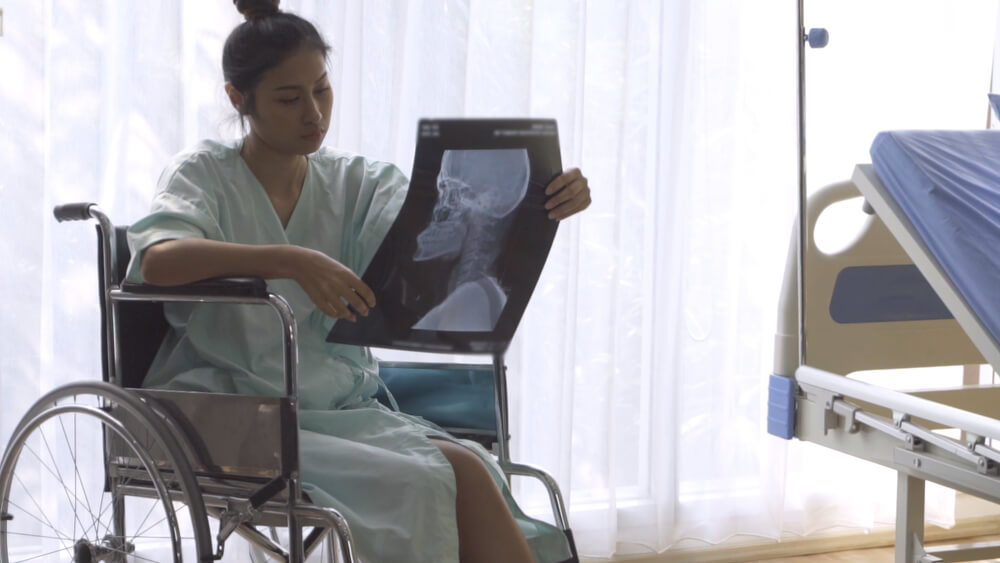
The Jones Firm represents patients across Columbus and central Ohio who were injured because a doctor, nurse, hospital, or other provider failed to meet the accepted standard of care. We put our trust in medical professionals at our most vulnerable, and when that care falls short and causes real harm, the consequences can follow a patient for years. These are difficult cases to prove, and they are some of the most important ones we handle.
What Counts as Medical Malpractice in Ohio?
Not every bad medical outcome is malpractice. Medicine carries risk, and even careful providers cannot guarantee results. Malpractice happens when a provider fails to meet the standard of care, meaning the level of skill and caution a reasonably competent provider would have used in the same situation, and that failure causes injury.
To bring a successful claim in Ohio, four things generally have to be shown:
- Duty. The provider owed you professional care
- Breach. The care fell below the accepted standard
- Causation. That failure actually caused your injury
- Damages. You suffered real harm as a result
Causation is often the hardest part. A provider’s mistake only supports a claim if it caused harm the patient would not otherwise have suffered, which is why these cases turn heavily on medical evidence and expert review.
Common Types of Medical Malpractice
Medical malpractice takes many forms. The cases we see most often include:
- Misdiagnosis or delayed diagnosis, including missed cancers, heart attacks, and strokes
- Surgical errors, such as operating on the wrong site or leaving instruments behind. Our overview of the costs of surgical mistakes goes into more detail
- Anesthesia errors, including incorrect dosing and failure to monitor vital signs
- Medication errors, such as the wrong drug, the wrong dose, or dangerous drug interactions
- Birth injuries to mother or child from mismanaged labor and delivery
- Hospital-acquired infections from lapses in sanitation
- Failure to treat or to follow up on test results
Ohio’s Deadline to File Is Shorter Than You Think
This is the single most important thing for an injured patient to understand. In Ohio, the deadline to file most medical malpractice claims is one year from when the claim arises, under Ohio Revised Code § 2305.113. That is shorter than the two-year deadline that applies to most other injury claims, and patients who assume they have two years can lose their rights without realizing it.
A few details matter:
- If you send the provider a proper written notice before the one year runs, you can gain a 180-day extension to file.
- Ohio also has a statute of repose that generally bars most claims more than four years after the act or omission, with narrow exceptions.
- Because injuries are sometimes discovered late, exactly when the clock started can be a real legal question worth reviewing with an attorney.
The short version: if you suspect malpractice, talk to a lawyer quickly. Waiting is the most common way a valid claim is lost.
Ohio Requires an Affidavit of Merit
Ohio does not let anyone simply file a malpractice lawsuit and sort it out later. Under the state’s civil rules, a medical claim must be filed with an affidavit of merit, a sworn statement from a qualified medical expert confirming that the care fell below the standard and caused harm.
This requirement is why these cases take real preparation. Before a complaint is even filed, the medical records have to be gathered and reviewed by an appropriate expert. It is also why working with a firm that has the resources to fund that review early matters. A claim filed without proper expert support can be dismissed.
How Medical Malpractice Is Proven
Malpractice cases are built on medical evidence. That means obtaining the complete records, having qualified experts review the care, and establishing both that the standard was breached and that the breach caused the injury. Defense teams for hospitals and insurers are well funded and fight these claims hard, so the quality of the expert work and the thoroughness of the investigation often decide the outcome.
Ohio’s Cap on Damages, and the Exception That Matters
Ohio limits the amount a patient can recover for noneconomic damages, meaning pain, suffering, and loss of quality of life, in most medical claims under Ohio Revised Code § 2323.43. Economic losses such as medical bills and lost earnings are not capped.
There is a critical exception. The cap does not apply to catastrophic injuries, including permanent and substantial physical deformity, loss of a limb or organ, or a permanent injury that prevents the patient from living independently and caring for themselves. For the most seriously harmed patients, recognizing that the cap does not apply can change the value of a case substantially.
Who Can Be Held Responsible for Medical Malpractice?
Liability is not limited to an individual doctor. Depending on the facts, a claim may be brought against surgeons, nurses, anesthesiologists, clinics, and hospitals themselves. Hospitals can be responsible for the negligence of their staff and, in some cases, for their own institutional failures. When malpractice causes a patient’s death, the family may also have a wrongful death claim.
How These Cases Are Valued
The value of a malpractice case depends on the severity and permanence of the injury, the medical costs, lost earning capacity, the strength of the expert evidence, and whether the catastrophic exception to the damages cap applies. Anyone who promises a number before reviewing the records is guessing. You can read more about how medical bills factor into a case.