 Commercial trucks deliver all types of goods to stores, houses, warehouses, and other locations across the United States. When driving in the Columbus area, you will likely encounter a semi-truck, tanker truck, flatbed trailer, and other types of trucks. These vehicles can weigh up to 80,000 pounds when loaded, and they dwarf most other vehicles on the road. While commercial vehicles are necessary for our lives and economy, they can also cause devastating damage and injuries when they crash. These are unique vehicles, and there are particular risks of crashes, and victims can face challenging or even fatal aftermaths. Truck accident insurance claims and lawsuits can be technical and challenging, so you should always have experienced Columbus truck accident attorneys handling your claim. Contact The Jones Firm for the help you need today.
Commercial Truck Crashes
The Federal Motor Carrier Safety Administration (FMCSA) reported the following for a recent year in the United States:
- 450,000 accidents involving large trucks
- 102,000 trucking accidents that caused injuries
- 4,237 fatal truck accidents
- 133 fatalities from truck accidents in Ohio
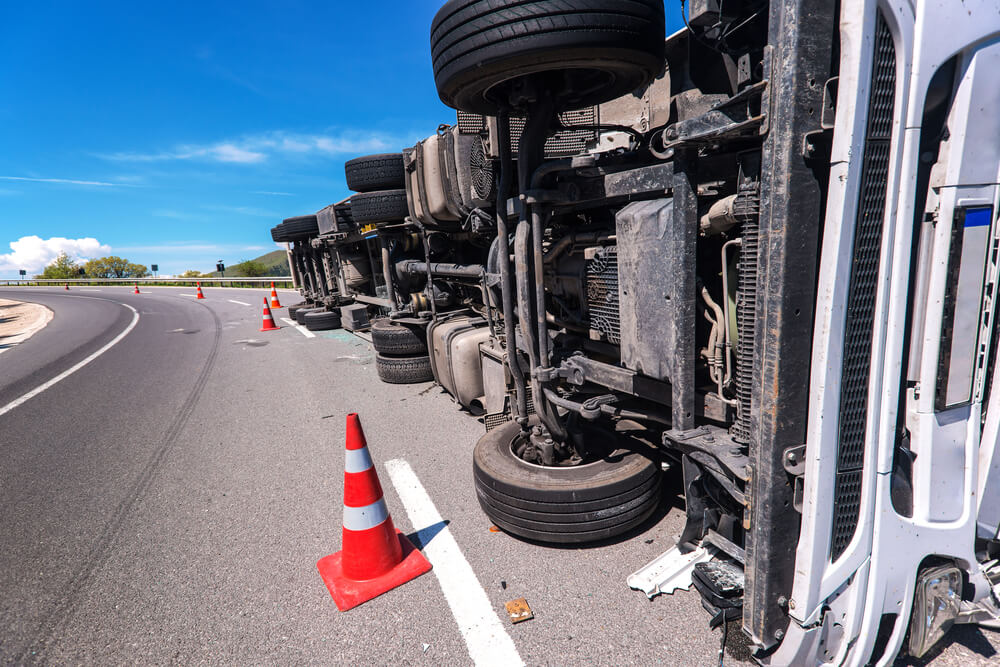
While trucks can be involved in head-on collisions and other common crashes, these vehicles can regularly be involved in the following:
- Rollovers
- Cargo spills
- Underride accidents
- Override accidents
- Jackknife accidents
- Runaway trailers
These truck accidents can result in severe injuries to motorists, who can have their lives completely altered instantly. An experienced truck accident lawyer can help.
Devastating Losses From Truck Crashes
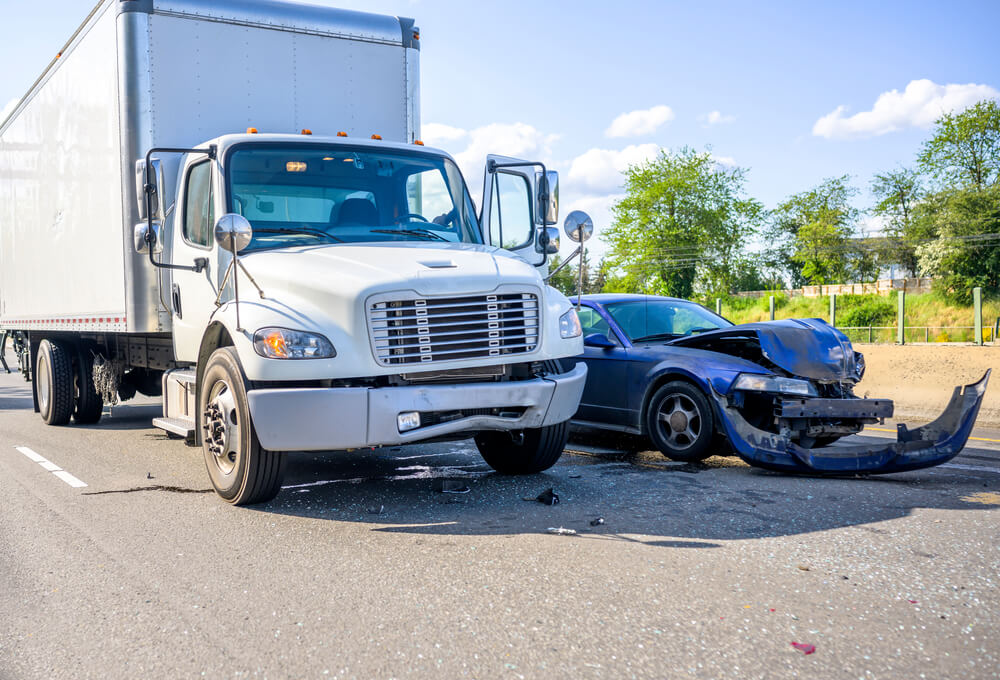
Trucks can destroy smaller vehicles, causing many traumatic injuries to victims.
Some truck crash victims face the following and more:
- Emergency transportation in an ambulance
- Emergency trauma care
- Diagnostic testing
- Hospitalization
- Surgeries
- Rehabilitative therapy or time in a rehab center
- Medication and medical equipment
- Home health care
- Time away from work due to treatment of injuries
- Change in careers and reduced income due to impairments
This can lead to piles of medical bills, the need for ongoing treatment and expenses, lost earning ability, and much more.
In addition to overwhelming financial losses, severe injuries can also cause:
- Physical pain and suffering
- Mental trauma
- Permanent disabilities
- Permanent disfigurement
- Loss of enjoyment of life
- Loss of consortium
These intangible losses should never be discounted and should always be calculated by a Columbus truck accident law firm.